The Rich History of Decorative Furniture Painting: From European Folk Traditions to American Country Style
Few forms of furniture tell a story quite like hand-painted pieces. Whether it's a beautifully decorated Scandinavian cupboard, a vibrant Hungarian chest, or a charming American blanket box, decorative furniture painting has long transformed everyday household items into works of art. Today, these painted antiques are prized for their craftsmanship, regional character, and the glimpse they offer into the lives of past generations.
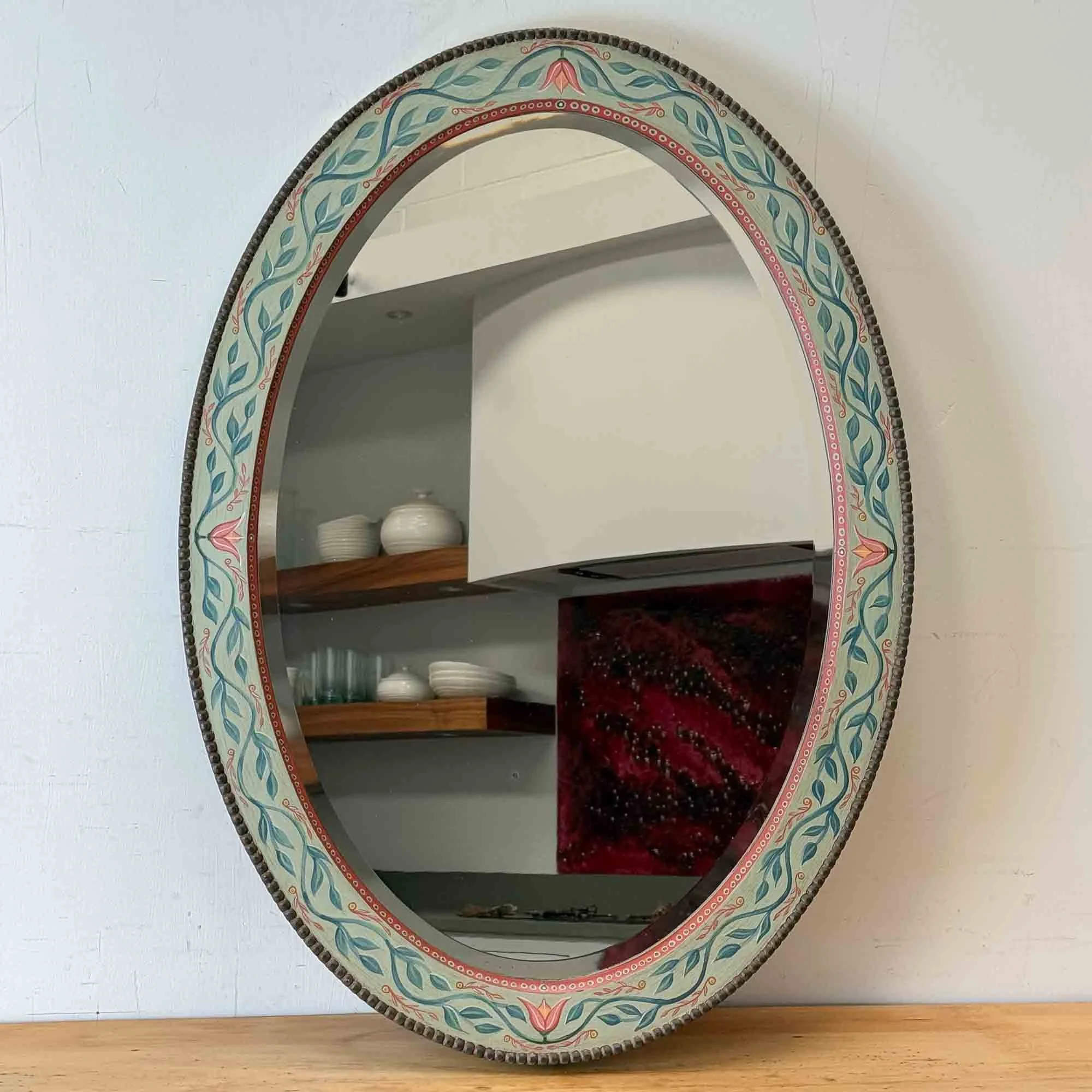
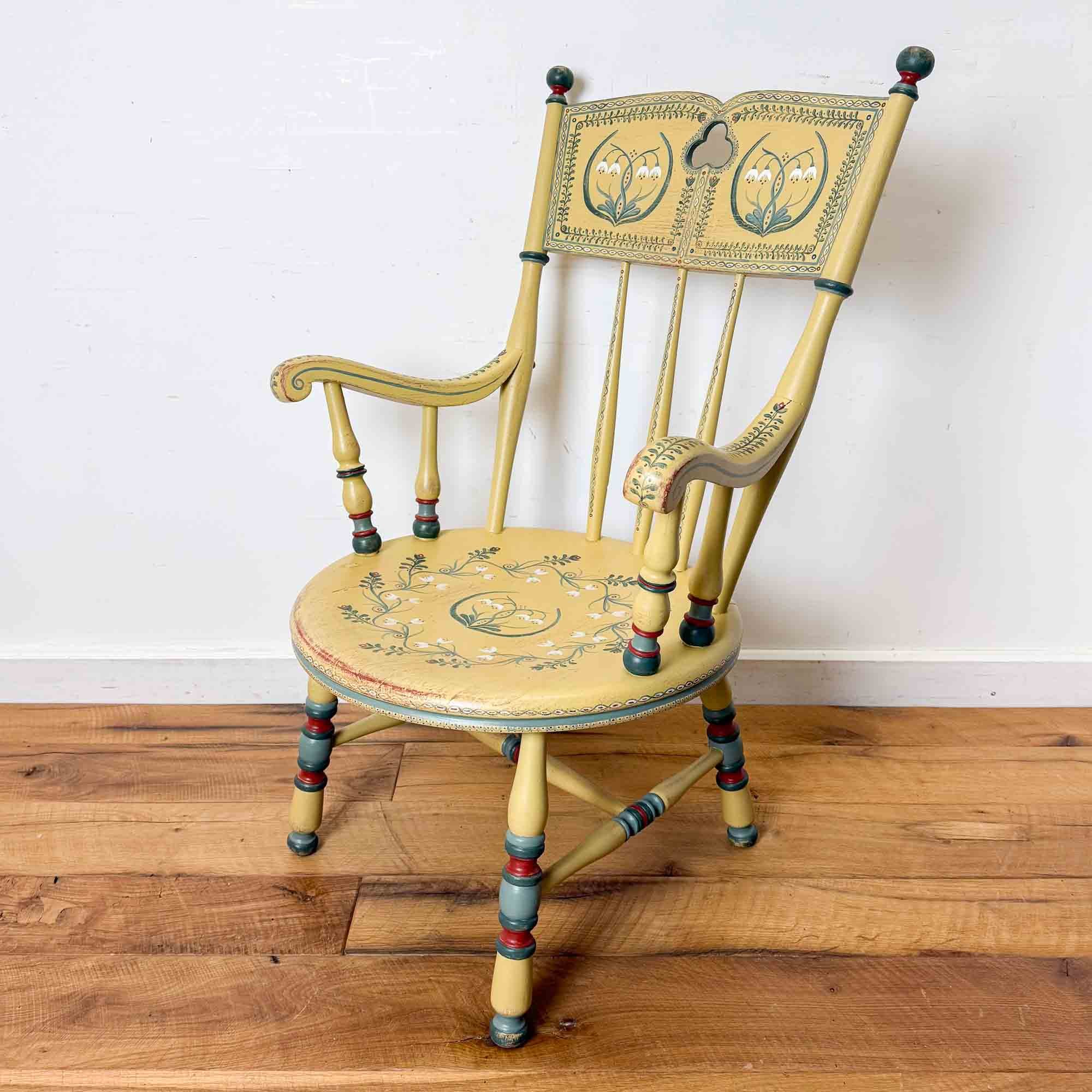
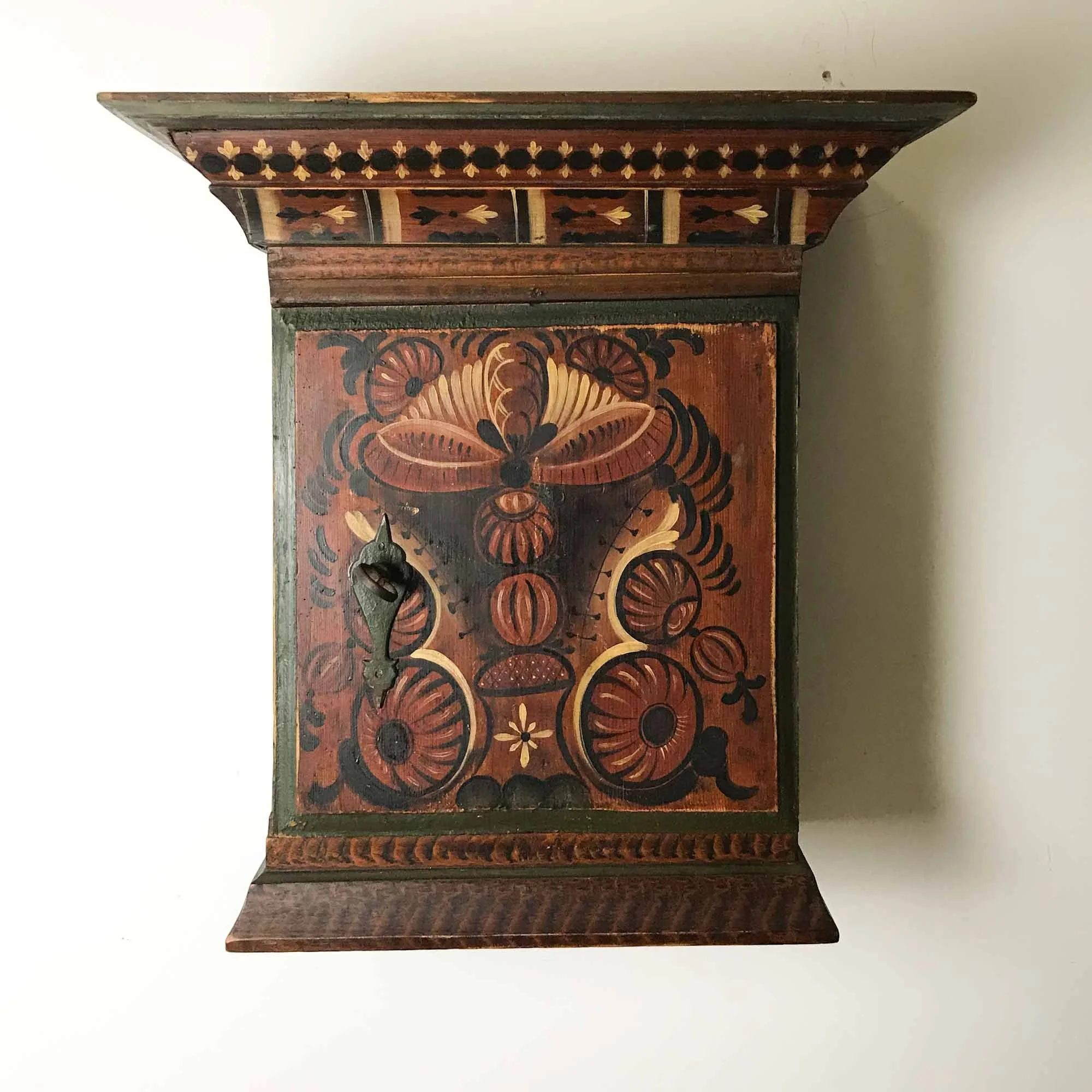
A few pieces of antique decorative painted furniture we have sold over the years
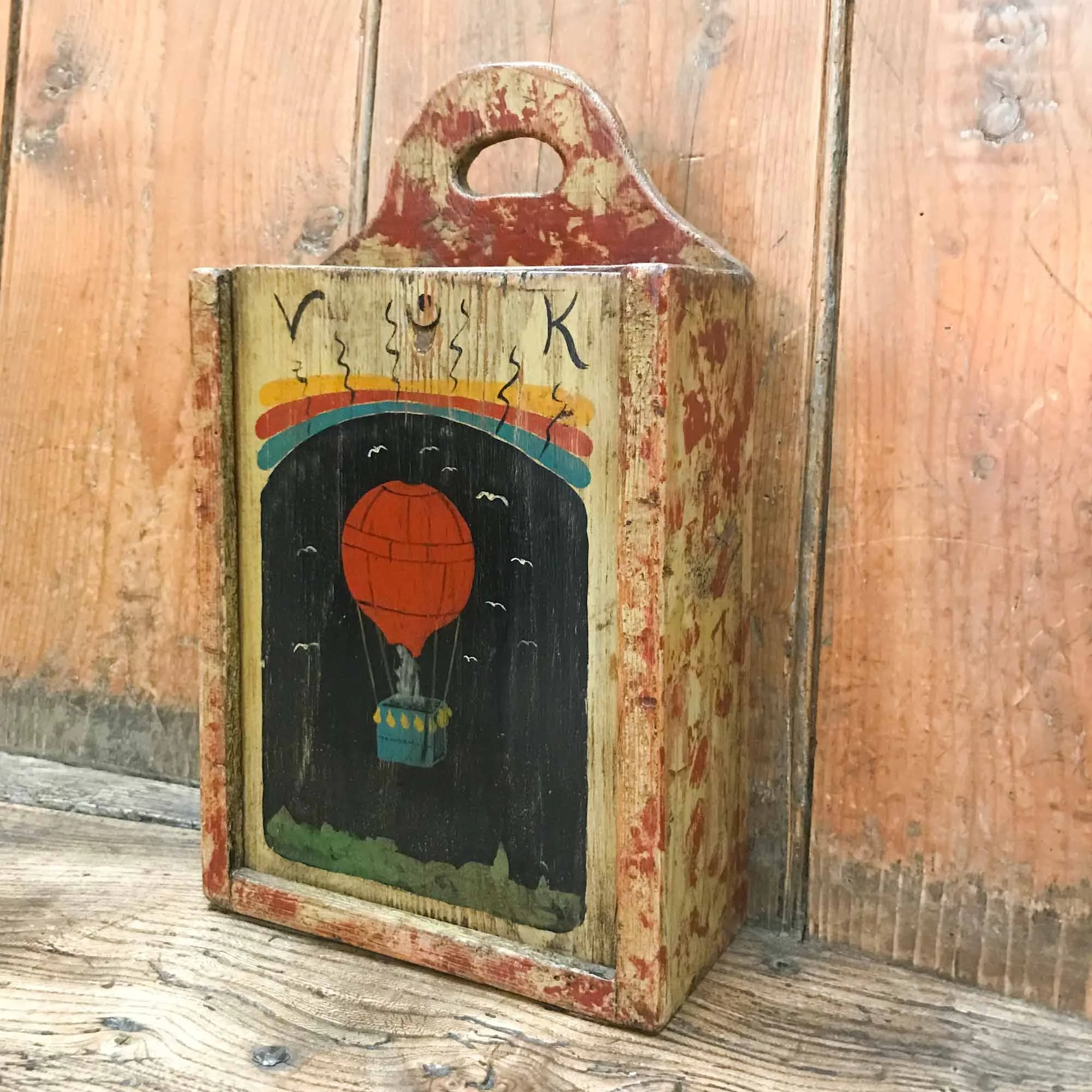
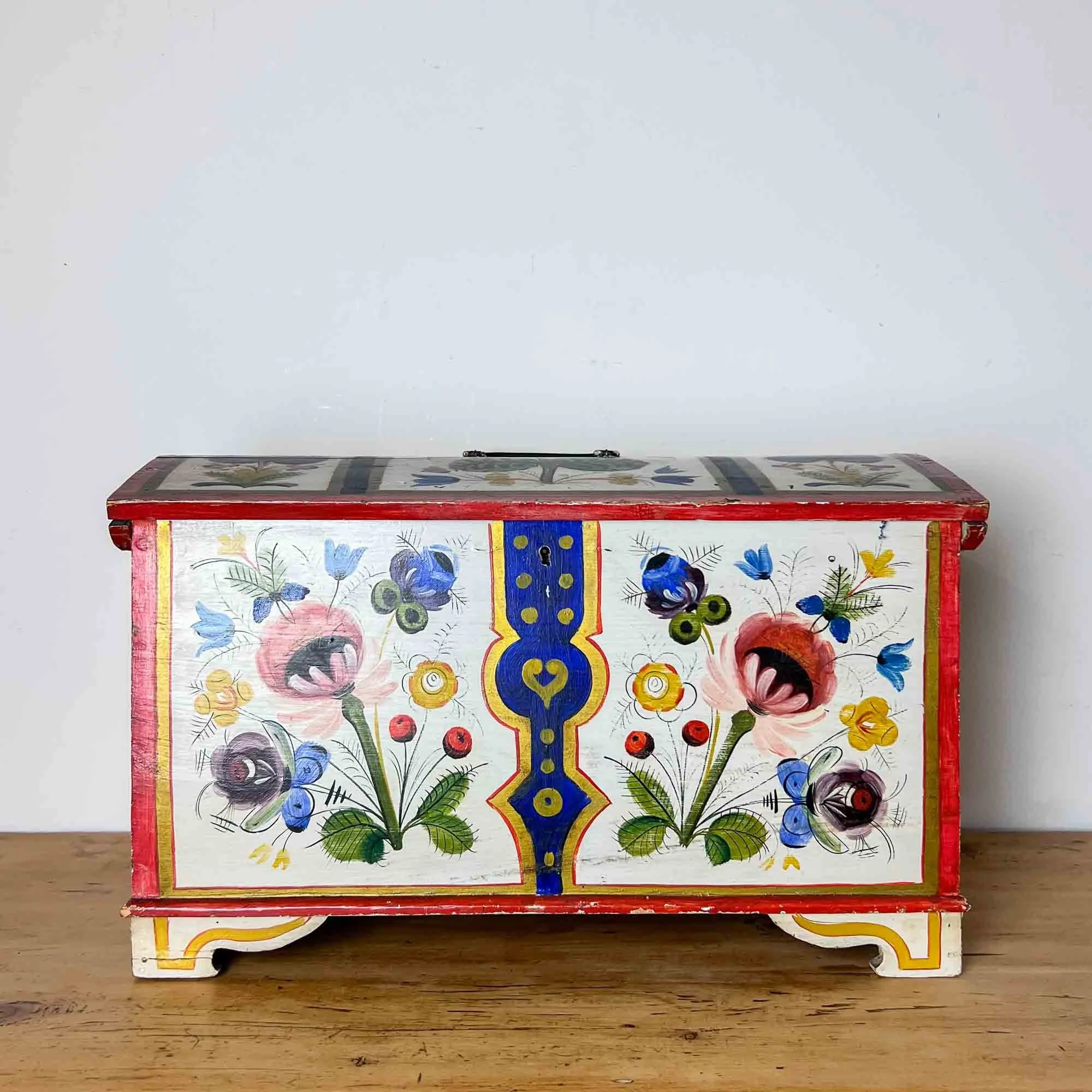
Furniture as a Canvas
Before mass production made furniture widely available, most household pieces were handmade by local joiners and cabinetmakers. While wealthier families commissioned expensive hardwood furniture with intricate carving and veneers, ordinary households often owned simpler pieces made from local softwoods such as pine.
Painting was an affordable way to decorate these practical pieces. Bright colours, floral motifs, geometric borders, birds, hearts, tulips, and symbolic designs could transform a plain chest or cupboard into a treasured family possession. Decorative painting also helped imitate more expensive woods or fashionable finishes, allowing rural households to enjoy furniture that reflected changing tastes.
European Folk Art Traditions
Across Europe, distinctive regional styles emerged, each reflecting local customs, available pigments, and cultural influences.
Scandinavia
Sweden and Norway developed some of the best-known painted furniture traditions. During the 18th and 19th centuries, country craftsmen created cupboards, chests, and wall cabinets decorated with flowing flowers, scrolling foliage, and stylised landscapes. The famous Swedish Gustavian period introduced softer painted finishes in muted blues, greys, greens, and creams, while rural folk painters continued producing colourful floral designs well into the 19th century.
The decorative style known as kurbits, originating in the Swedish province of Dalarna, became particularly famous for its imaginative floral patterns and whimsical forms inspired by local folklore.
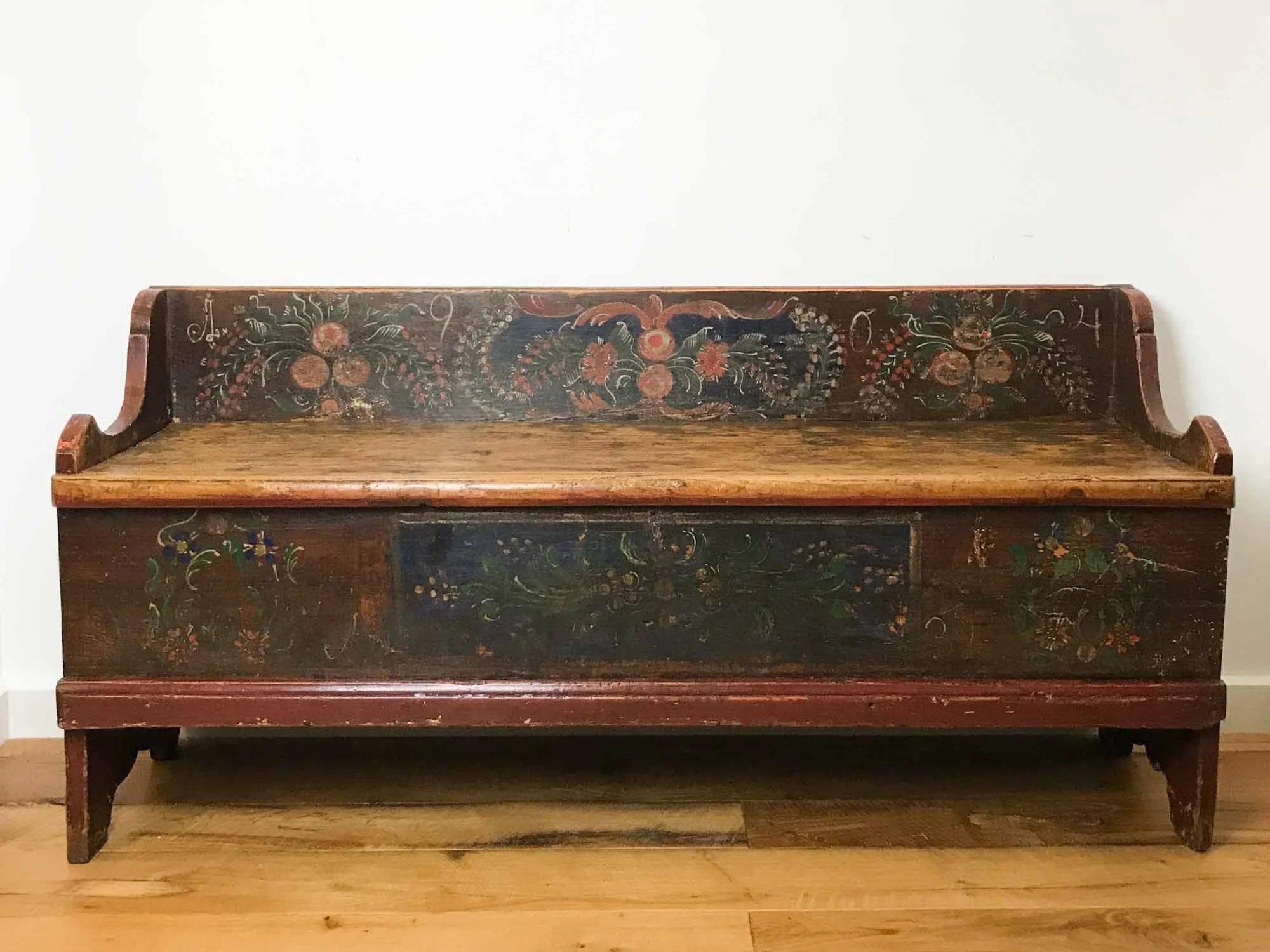
A marriage bench with painted decoration, dated 1904.
Germany, Austria and Central Europe
Throughout southern Germany, Austria, and the Alpine regions, painted furniture became an essential part of country homes. Wedding chests were especially elaborate, often displaying tulips, carnations, religious symbols, or inscriptions recording the names of the bride and groom alongside the wedding date.
In neighbouring regions of Hungary, Slovakia, and Transylvania, vibrant reds, greens, blues, and yellows dominated furniture decoration. Bold floral patterns symbolised prosperity, fertility, and happiness, making painted furniture an important part of family celebrations and inheritance.
The Netherlands and Belgium
Dutch decorative painting often reflected the country's thriving artistic culture. Floral bouquets, fruit, birds, and classical ornament frequently appeared on cabinets and tables, while faux wood-graining and marble finishes demonstrated remarkable technical skill.
Painted Furniture in Britain
Britain developed its own tradition of painted country furniture. Throughout the 18th and 19th centuries, many farmhouse dressers, cupboards, settles, and chests were finished in practical paints that protected the timber while adding colour to rural interiors.
Regional preferences varied widely. Rich greens, deep reds, mustard yellows, and soft blues became common, while later Victorian tastes introduced darker finishes and decorative lining. Although much British country furniture has since been stripped back to bare wood, many collectors now appreciate the beauty of surviving original paint.
From Europe to America
As European settlers emigrated to North America during the 17th, 18th, and 19th centuries, they brought their decorative traditions with them. German immigrants established communities in Pennsylvania, where colourful painted furniture evolved into what is now recognised as Pennsylvania Dutch folk art.
Blanket chests, cupboards, and dower chests featured bold tulips, birds, hearts, stars, and elaborate lettering. These designs blended German decorative traditions with local American influences, creating one of the most recognisable styles of American folk art.
Meanwhile, New England craftsmen often painted pine furniture to imitate expensive imported hardwoods or fashionable mahogany finishes. Grain painting and faux finishes became highly skilled trades in their own right, allowing modest furniture to resemble far more costly pieces.
Why Decorative Painting Matters Today
Original painted furniture has become increasingly sought after by collectors because it preserves far more than its appearance. Layers of paint reveal changing fashions, local craftsmanship, family history, and everyday life. Each brushstroke reflects the hand of an individual artisan rather than the uniform finish of factory production.
Unlike modern reproductions, antique painted furniture often bears the gentle wear of generations of use. Small chips, fading, and patina are not flaws but evidence of a long and fascinating history.
Collecting Painted Antiques
When choosing painted furniture, originality is usually one of the most important factors. Collectors often value surviving original paint above later restoration, as it provides authenticity and historical integrity.
Look for signs of age such as natural craquelure, subtle wear around handles and edges, and consistent ageing throughout the finish. While sympathetic conservation can help preserve a piece, excessive repainting may reduce both its historical significance and collector appeal.
A Lasting Legacy
Decorative furniture painting remains one of the most expressive traditions in the history of furniture making. From the colourful farmhouses of Sweden and Hungary to the welcoming homes of colonial America, painted furniture brought beauty into everyday life. Every antique cupboard, chest, or dresser carries traces of the people who made it, owned it, and cherished it over generations.
For collectors today, these pieces offer something increasingly rare: genuine craftsmanship, regional character, and a tangible connection to the past. Their enduring appeal reminds us that even the simplest household furniture can become both functional and deeply artistic, preserving centuries of cultural tradition in every painted surface.
Decorative Painting Today
In recent years, there has been a notable resurgence of interest in decorative painted furniture. Contemporary makers, restorers, and interior designers have rediscovered traditional folk art techniques, often drawing inspiration from historic Scandinavian, Alpine, and British country styles. From hand-painted cupboards and dressers to bespoke decorative commissions, painted furniture is once again being celebrated for its individuality, craftsmanship, and warmth. This revival reflects a broader appreciation for sustainable, characterful interiors and a desire to move away from mass-produced uniformity in favour of pieces with personality and story. Any piece of furniture can be given a facelift with a simple paint job, but a skilful decorative artist can turn even something destined for the tip into a piece to be treasured for years to come.
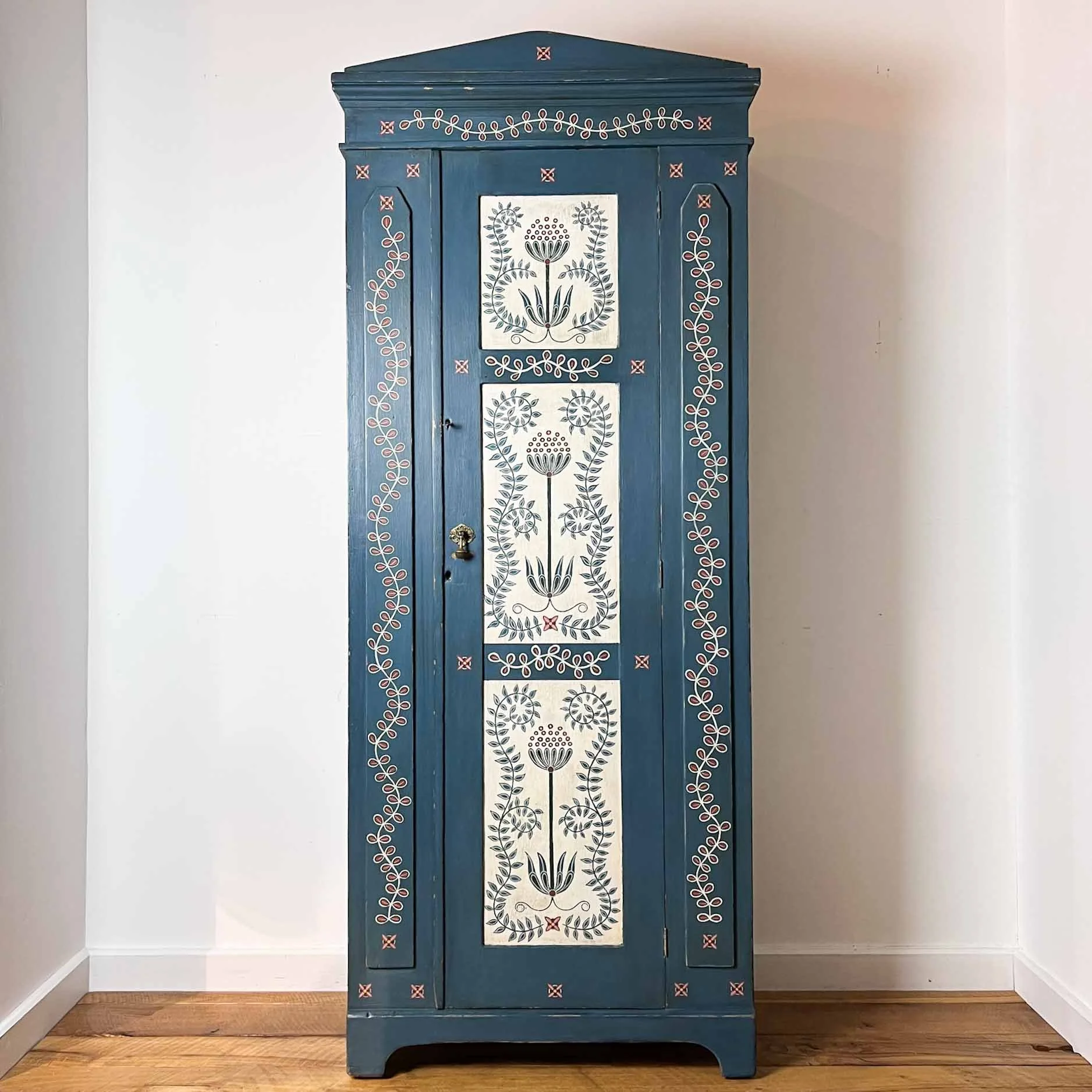
Here are a few pieces that I have painted in a folk art style and sold…